
Search
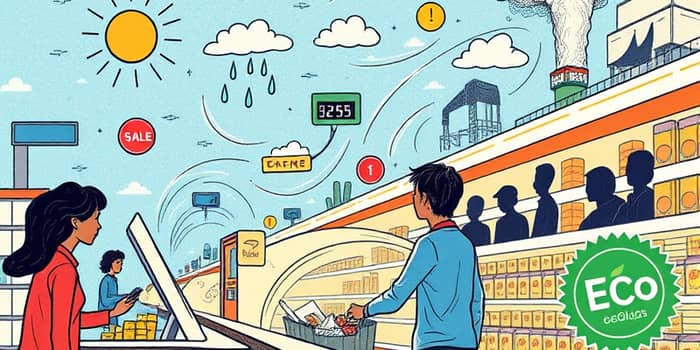
Our choices as consumers are often perceived as logical outcomes of budgeting and planning, but the truth is that our surroundings wield a powerful influence. Countless subtle cues—from the weather outside to the colors on a website—can nudge us toward purchases we never intended to make. By examining how external factors shape decision-making, we can learn to recognize and counteract these forces, ultimately gaining greater control over our finances and well-being.
Researchers have found that good weather boosts consumer spending by elevating mood and lowering resistance to splurges. Warm, sunny days tend to create feelings of optimism, leading shoppers to favor discretionary items like clothing or gadgets. In contrast, gloomy skies and cold winds can drive people online in search of comfort, spurring impulse buys of snacks, entertainment subscriptions, or cozy home goods.
Air quality also plays a role. When pollution reaches unhealthy levels, individuals often seek immediate relief through mood-boosting purchases. This phenomenon, sometimes called ‘retail therapy,’ can temporarily improve well-being but also lead to overspending and debt. Understanding these patterns empowers consumers to pause and reflect before making financial decisions in reaction to environmental stressors.
Human beings are inherently social, and our spending patterns often mirror the choices of those around us. Dynamic social norms—such as seeing neighbors install solar panels or friends sharing eco-friendly finds—create a ripple effect that shapes preferences. Over time, the desire to belong can drive us to adopt new products or brands, even if they carry a higher price tag.
Businesses leverage this tendency by showcasing user reviews, star ratings, and customer testimonials. When we perceive that others value and endorse a product, we are more inclined to follow suit, often without conscious deliberation.
Rising costs of living intensify decision-making around essentials. Recent surveys reveal that 31 percent cite inflation as their top concern, underscoring the strain on household budgets. As grocery prices climb, many consumers downshift to generic brands or cut back on discretionary spending to cover necessities.
Yet paradoxically, a significant cohort remains willing to pay more for green products. Consumers on average accept a 9.7 percent premium for sustainable goods, indicating that environmental values can override price sensitivity. This willingness is more pronounced among higher-income groups, highlighting an affordability gap that can impede sustainability goals for lower-income households.
Today’s shoppers expect brands to demonstrate concrete environmental commitments. Products carrying ESG claims have experienced a cumulative growth of twenty-eight percent over five years, far outpacing non-ESG alternatives. Nearly half of all retail sales in key categories now feature sustainability messaging, signaling that ethical sourcing and eco-friendly packaging are no longer optional.
However, the green premium remains a barrier. While some consumers willingly invest in higher-priced sustainable items, others feel excluded by cost constraints. Bridging this divide requires companies to innovate affordable, responsible alternatives and for policymakers to support equitable access.
Physical stores and online platforms each present unique environmental triggers. In brick-and-mortar settings, ambient music, lighting, and in-store scents are carefully curated to encourage browsing and impulse purchases. Meanwhile, e-commerce sites deploy countdown timers, flash sale banners, and personalized recommendations to create a sense of time scarcity increases impulsivity.
Recognizing these tactics enables consumers to slow down, disable distracting notifications, and compare options across multiple channels before committing to a purchase.
Behind every impulse buy lies a complex interplay of psychological drivers. Feelings of stress, boredom, or social isolation can all prompt us to seek the dopamine hit of retail therapy. Environmental stressors such as noise pollution or cramped urban spaces increase susceptibility to unplanned purchases, as shopping becomes a coping mechanism.
Similarly, artificial time constraints—like flash sales or countdown clocks—exploit our innate aversion to missing out. When confronted with a ticking timer, analytical thinking gives way to rapid-fire choices. By acknowledging these tactics, individuals can implement simple strategies—such as setting personal cooling-off periods or allocating a fixed distraction budget—to guard against impulsive outlays.
Striking the right balance between ethical spending and financial responsibility requires awareness and planning. Consumers can harness the power of their environment by intentionally designing shopping routines that align with both budgetary goals and personal values.
Simple steps can help maintain equilibrium:
By consciously shaping our surroundings—choosing to shop when relaxed, turning off urgency-inducing alerts, and prioritizing research—we can reduce the risk of overspending while still supporting sustainable options.
Our environment exerts a profound yet often overlooked influence on spending behavior. From the architecture of stores to the sequence of digital prompts, each element nudges us toward a decision. By cultivating an understanding of these forces, we regain agency, making choices that reflect genuine needs and values rather than fleeting impulses.
Implementing mindful shopping practices—pausing before purchasing, aligning buying habits with long-term goals, and fostering supportive social norms—can transform the way we interact with money. In doing so, we not only protect our financial health but also contribute to a more sustainable, equitable marketplace.
References