
Search
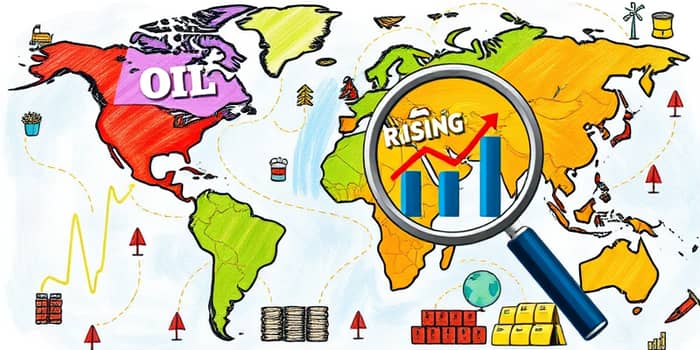
Global commodity markets have entered a new era of uncertainty. As prices shift dramatically, they reveal vital signals about the health and resilience of global supply chains. Understanding these price movements empowers businesses, policymakers, and investors to anticipate disruptions and make informed decisions.
Forecasts suggest steep price declines forecasted for commodities in 2025 and 2026, marking the end of the post-pandemic boom. Aggregate commodity prices are expected to drop by about 12% in 2025 and another 5% in 2026, reaching their lowest levels since 2020 in nominal terms.
Sectoral outlooks vary, driven by shifting demand patterns and structural changes across industries.
Meanwhile, precious metals buck the general trend. Gold and silver experienced significant surges in 2024, driven by safe-haven demand amid geopolitical tensions and market volatility.
Commodity prices react to a tapestry of interconnected factors. Identifying these drivers helps decode price signals and anticipate future supply chain challenges.
These factors interplay with weather anomalies, supply disruptions, and shifting consumer preferences, creating a dynamic pricing environment.
Commodity prices serve as real-time indicators of supply chain health. Periods of extreme volatility often coincide with bottlenecks, logistical snarls, and capacity constraints.
Indices such as the Baltic Dry Index, Harpex Index, and Global Supply Chain Pressure Index offer granular views of shipping costs and delivery times. Monitoring these alongside price data unveils global supply chain stress indicators and highlights emerging bottlenecks.
Falling commodity prices can alleviate near-term inflationary pressures but may also signal waning demand and slackening economic activity. Central banks and policymakers scrutinize these trends to calibrate monetary policy and address potential inflationary and deflationary pressures.
The impact of shifting commodity prices is uneven across regions and sectors.
Sector-specific dynamics also play a role. The energy transition accelerates demand for minerals like lithium and nickel, even as traditional oil and gas revenues decline. Meanwhile, industrial metals mirror manufacturing cycles, reflecting the pace of global infrastructure investments.
Several risks could derail forecasts and reshape supply chain narratives. A sharper-than-expected global slowdown would deepen commodity price declines, while renewed geopolitical tensions or trade disruptions could spur rapid price rebounds.
Currency fluctuations, especially a resurgent US dollar, could further dampen commodity demand by elevating import costs. Conversely, coordinated policy easing and infrastructure spending may boost metals and energy prices, signaling a recovery in industrial activity.
For supply chain managers, maintaining agility is paramount. By integrating price monitoring tools with logistical data and policy analysis, businesses can anticipate changes and adapt procurement strategies proactively.
To navigate the evolving commodity landscape, industry leaders and policymakers can adopt several practical measures:
By treating commodity prices as a window into supply chain dynamics, organizations can gain a competitive edge. Proactive monitoring and strategic planning transform price volatility from a threat into an opportunity for innovation and resilience.
In an interconnected global economy, staying attuned to commodity trends is no longer optional—it is essential. As markets evolve, those who harness price signals effectively will lead the way in building robust, adaptive supply chains for the challenges ahead.
References