
Search
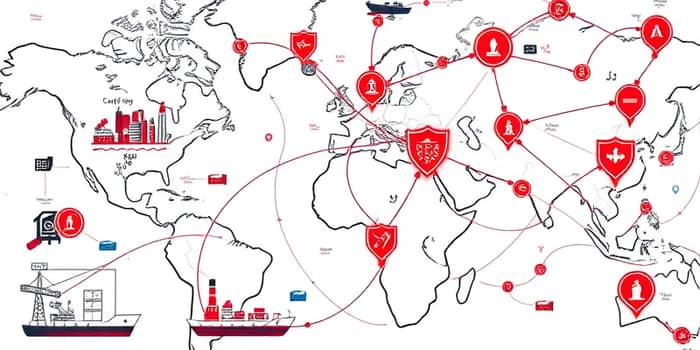
In an era defined by rapid change and complexity, supply chains face unprecedented challenges. From geopolitical tensions to cyber threats, vulnerabilities can emerge at any point, disrupting operations and inflating costs. This article offers a risk management lens for identifying, assessing, and fortifying those weak points in 2026 and beyond.
Supply chain vulnerability refers to the presence of weaknesses in supply networks that can be exploited to trigger disruptions, delays, or financial losses. These weaknesses may stem from internal processes, external shocks, or evolving threats in the global marketplace.
Viewed through a risk management perspective, the goal is systematic identification, assessment, mitigation, and continuous monitoring of both internal and external risks. In 2026, volatility is the new normal: tariff swings, climate extremes, and cybersecurity breaches happen with growing frequency.
Recent data underlines the urgency. Seventy-two percent of trade professionals cite U.S. tariff volatility as their top regulatory concern, up from 41% a year ago. Meanwhile, 65% of large firms rank third-party supply-chain vulnerabilities as their greatest cybersecurity challenge. Collaboration is on the rise too: 88% of procurement leaders now prioritize supplier collaboration more than two years ago.
Many disruptions originate within an organization’s own walls. Legacy systems, siloed information, and human factors can combine to create critical vulnerabilities that often go unnoticed until a crisis strikes.
Addressing these internal weak points starts with a candid audit of processes, technology, and talent. Only by shining a light on hidden inefficiencies can organizations build truly resilient operations.
Beyond internal controls, companies must navigate a shifting external landscape. Geopolitical tensions, market fluctuations, environmental disruptions, and regulatory overhauls all pose significant hazards.
Geopolitical and trade risks are at the forefront. Non-tariff barriers, sanctions, and export restrictions can alter landed costs overnight. For example, controls on critical semiconductors sent shockwaves through electronics manufacturers in 2025. Meanwhile, competition for rare earth minerals has intensified supply shortages for battery producers.
Economic instability and market volatility compound those pressures. Sudden raw material price spikes or rising fuel costs compress margins and force difficult sourcing decisions. Environmental extremes—floods, droughts, and storms—have doubled in frequency over recent years, causing localized shutdowns and transit delays.
Cybersecurity remains a paramount concern. With 65% of large enterprises viewing third-party vulnerabilities as their top challenge, the risk of data breaches, system downtime, and hardware backdoors is ever-present. Emerging regulations on data sovereignty and sustainability further raise the stakes for compliance and reputation management.
Supplier-specific risks also cannot be ignored. Financial instability or capacity constraints among key vendors create single points of failure. A major incident at one tier—whether quality issues or labor disputes—can ripple across the entire chain.
Effective risk management relies on structured frameworks that map internal and external threats. By applying standardized approaches, organizations can quantify impacts and prioritize mitigation efforts.
Key steps include identifying critical vulnerabilities, vetting suppliers on cyber hygiene and performance SLAs, and integrating real-time tracking with near-miss analysis. The involvement of cross-functional teams—from procurement and IT to legal and finance—ensures a holistic perspective.
With a clear view of risks, supply chain leaders can implement targeted strategies to build resilience and agility.
Embedding these tactics into corporate strategy—rather than treating them as isolated projects—drives sustained improvement. Predictive analytics and regular reviews help anticipate emerging threats before they escalate.
Looking ahead, several trends will define the resilience agenda for supply chains in 2026:
By embracing agility, visibility, and robust risk management frameworks, organizations can turn vulnerability assessments into competitive advantages. The future belongs to those who anticipate threats and innovate with purpose—transforming supply chain vulnerabilities into pillars of strength.
References