
Search
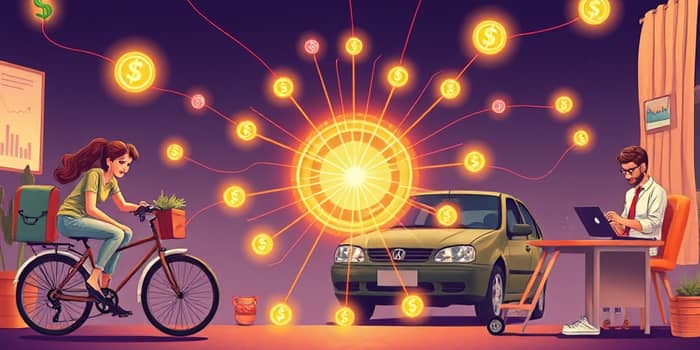
In today’s evolving economy, relying on a single paycheck often falls short of meeting rising expenses and long-term goals. Millions of Americans are discovering that embracing secondary income streams not only bridges financial gaps but also ignites new passions, skills, and opportunities.
From bustling urban centers to quiet suburbs, side hustles have become a lifeline for many. Let’s explore how you can leverage the power of additional earnings to transform your financial landscape.
Recent surveys show that between 27% and 40% of Americans currently engage in a side gig. While participation dipped from pandemic peaks, the trend remains robust, signaling a fundamental shift in how people view work. For 61% of these hustlers, supplemental income is financial security and freedom—without it, everyday life would be unaffordable.
This movement transcends age and background, uniting individuals around the goal of economic resilience. Whether driven by necessity or ambition, side hustles are rewriting the rules of earning.
How much can you really make? Reports vary, but here’s a snapshot:
Average incomes range from $530 to $1,215 per month, while median figures hover between $200 and $400. Nearly 28% earn under $50, and half make less than $100 monthly. Yet top performers, those earning $5,000+ per month, often invest fewer than 20 hours weekly, illustrating the potential scalability of certain ventures.
Gen Z leads the charge, with 34% participating—earning an average of $968 monthly. Millennials follow closely at $1,029, while Gen X and Boomers earn $512 and $918 respectively. However, a persistent gender gap shows men averaging $1,195 per month versus $611 for women.
Understanding these dynamics helps tailor strategies and mentors support underrepresented groups in pursuit of equal opportunity.
Why do millions chase extra income? Motivations vary, but the top reasons include:
While 80% pursue side hustles simply to boost earnings, only 20% aim to replace their main job. Most view these efforts as supplements rather than full-time alternatives.
Side hustle opportunities fall into two broad categories: active gigs and passive streams. Popular active ventures include:
Meanwhile, passive income—through investments, digital products, or rental properties—remains less common but carries immense potential for those willing to lay groundwork.
On average, side hustlers dedicate eight hours per week to extra gigs. Despite the added workload, 85% report being at least somewhat happy, and 77% feel their quality of life has improved. This suggests that many find purpose and satisfaction in these endeavors.
However, the grind isn’t without challenges. About 65% would prefer a single reliable income if possible, highlighting the risk of burnout when juggling multiple obligations.
Side hustles offer promise, but they carry trade-offs. Key drawbacks include:
Should secondary income vanish, households often cut discretionary expenses—46% curb dining out and 39% reduce entertainment spending. Recognizing these vulnerabilities helps set realistic expectations.
To thrive in the world of multiple incomes, adopt these guiding principles:
By building sustainable passive income streams and diversifying active gigs, you can maximize returns while safeguarding well-being.
Beyond individual side gigs lies the broader vision of household income diversification. High-income families often combine wages, business profits, capital gains, and rental income, whereas lower-income households rely more heavily on fixed benefits and government transfers.
Strategic diversification insulates against economic downturns and inflation. It empowers individuals to build resilience and invest confidently in personal and collective goals.
As the gig economy continues its rapid expansion—now valued at over $550 billion globally—embracing diverse income tools becomes not just an option, but a necessity for those aiming to thrive.
By navigating the gig economy landscape with intention and mindfulness, you can unlock new doors, nurture your dreams, and cultivate a future where one paycheck is no longer your only path forward.
References