Search

Even profitable businesses can fail and seemingly secure households can feel perennially strapped. That’s because profit and cash flow are not the same. Cash flow tracks the net balance of cash moving in real time, while profit is an accounting snapshot. In this deep dive, we’ll unravel where your income really travels, diagnose common traps, and outline a roadmap to reclaim control. With targeted data from 2024 to 2026 and time-tested strategies, you’ll emerge prepared to sculpt a sustainable future.
By the end of this article, you will have a clear personal audit plan, understand the contrasting patterns that define wealth levels, and discover dynamic methods to shift towards passive income generating assets. It’s not just theory: it’s a call to action to change the trajectory of your financial life.
Most of us conflate profit—which accounts for revenues minus expenses on paper—with cash flow, the lifeblood that keeps operations alive. Cash flow is divided into operating, investing, and financing streams. Operating cash flow reflects the daily grind: sales receipts, payroll, rent. Investing activities show up as equipment purchases or asset sales. Financing covers loans, dividends, and capital injections. A company or household may report a profit yet suffer negative cash flow if bills arrive before revenue.
Why does this matter? Because precise real-time liquidity tracking uncovers shortfalls and surpluses long before they appear on tax returns. By distinguishing profit from liquidity, you avoid surprises—no more overdraft fees, no more loans to cover ordinary living costs, and no more scrambling during downturns. Evaluate your bank statements, not just your tax documents, to begin mastering your true financial position.
To illustrate, consider the average U.S. household in 2026. With total annual expenditures around $78,535 against a median income of $83,730, many families teeter on financial tightropes. Breaking this down monthly reveals stark insights. Housing consumes more than a third of take-home pay. Food, transportation, and insurance chip away at the rest. Without careful attention, small categories like entertainment and utilities quietly erode savings.
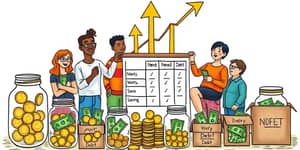
Conducting a personal audit is the first step. Gather bank and credit card statements for three months. Categorize every single transaction. You might discover recurring subscriptions you forgot or a dining-out habit draining hundreds of dollars. This awareness empowers you to reallocate funds into wealth-building vehicles instead of letting them slip into a black hole of untracked expenses.
Armed with this data and a detailed monthly expense breakdown, you begin to see the flow: where income enters, where it pools briefly, and where it drains away. The next sections will show you how these patterns differ across wealth levels.
Robert Kiyosaki’s research paints a vivid picture: the poor, middle class, and rich operate with fundamentally different cash flow patterns. The poor spend nearly all income on immediate needs, leaving no cushion for emergencies. The middle class often channel income first into retirement accounts, then lifestyle upgrades—cars, gadgets, a bigger home—resulting in liabilities that slowly bleed resources.
Victims of these traps seldom notice until a sudden layoff, medical emergency, or market downturn strips away stability. Recognizing these patterns is not about blame; it’s about opening your eyes to how different choices can build security instead of stress.
Shifting from simply earning a paycheck to cultivating assets is the defining move. The wealthy follow a cycle: invest, recover capital, reinvest, and repeat—a process described as the compounding velocity of money cycles. You can adopt similar tactics, even with modest funds. A disciplined approach and clear targets will lay the foundation.
Consider real estate crowdfunding platforms, dividend-paying stocks, or peer-to-peer lending to start small. Even a few hundred dollars each month, strategically placed, can snowball into meaningful passive cash flow over time.
In 2026, the lingering effects of inflation cannot be ignored. Essential goods like milk, bread, and cleaning supplies have seen persistent price hikes. A quick look at grocery receipts reveals ground beef cost jumps of several dollars per pound. Restaurant meals, auto insurance, and utility bills all trended upward, squeezing budgets further.
As a result, persistent rising staple prices compound your cash flow quandary. If you allow these small but steady increases to slip by, your capacity to save and invest diminishes without any apparent lifestyle change. Budgeting tools and price-tracking apps become allies. By comparing regional costs and adjusting shopping habits—bulk buying, generic brands—you can offset much of the inflation pain and preserve investment capital.
True financial freedom arises when passive inflows consistently surpass outflows. To get there, embrace the Cashflow Quadrant: move from an E or S role (employee or self-employed) into B and I (business owner or investor). This transition might involve taking calculated risks—starting a small venture, acquiring rental properties, or diversifying a stock portfolio.
By steadily redirecting earnings into self-sustaining vehicles, you begin to buy back your time. Financial statements evolve from mere reports into roadmaps guiding every decision toward lasting wealth.
The cash flow quandary is not an insurmountable mystery but a challenge that demands attention, discipline, and creativity. Armed with household expenditure data, Kiyosaki’s frameworks, and inflation insights, you now hold a comprehensive toolkit. Start by auditing your personal flows, eliminate leaky outflows, and direct resources toward assets generating real income.
Your journey begins today. Track your money with renewed vigilance, embrace strategic investments, and watch as the once-elusive stream of passive cash flow evolves into a steady river of financial confidence and freedom.
References