
Search
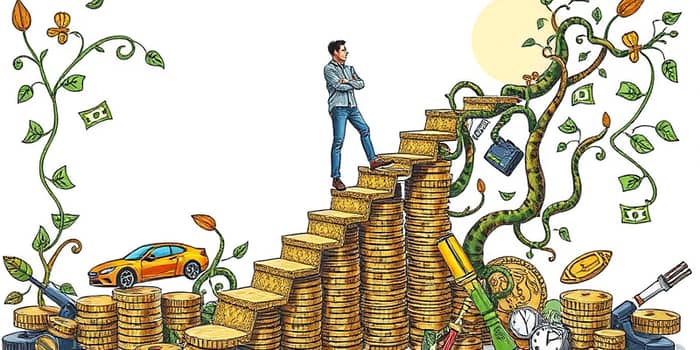
Imagine receiving a $20,000 raise only to find yourself no better off financially a year later. This scenario is all too common when we fall prey to lifestyle inflation, also called lifestyle creep. Without conscious planning, every pay bump can be eroded by new expenses, leaving us trapped in a cycle of rising costs and stagnant savings.
Understanding this phenomenon is the first step toward regaining control over your financial future.
Lifestyle inflation develops subtly, making it difficult to detect until it’s too late. Pay increases often spark a series of small upgrades—more frequent dining out, premium coffee subscriptions, or an upgraded smartphone every year. Over time, these little treats accumulate into significant drains on your budget.
Once you recognize these patterns, you can take steps to adjust your habits and protect your long-term goals.
Even with disciplined saving, broader inflationary pressures can erode purchasing power. The US Consumer Price Index rose 3.3% in the 12 months ending March 2026, driven by surging energy costs (up 12.5%) and stubborn restaurant price increases.
Facing these trends, younger generations contend with baseline living expenses that far exceed those of previous cohorts. From 2020 to 2024, food prices climbed 23.6%, and real spending on eating and drinking out in Q2 2025 was 24.5% above pre-pandemic projections.
Seen in this context, lifestyle decisions carry extra weight: a seemingly small splurge today can translate into needing thousands more annually just to keep pace with rising costs.
Not all spending increases are harmful. When guided by values, upgrading experiences can boost satisfaction without derailing financial plans. In fact, some argue that lifestyle inflation is merely a reflection of “living beyond means” under another name.
Ultimately, you must balance enjoyment and responsibility, ensuring that each new expense enriches your life in a lasting way.
Conquering lifestyle creep requires a blend of awareness, planning, and disciplined action. Here are practical steps to keep your spending in check:
By turning these strategies into habits, you can enjoy your rising income without letting expenses rise even faster.
Breaking free from the trap of lifestyle creep doesn’t mean living stingily. It means being intentional—consciously channeling your resources toward the things that matter most while protecting your future security.
Imagine looking back ten years from now, proud of the home you own, the retirement nest egg you’ve built, and the peace of mind that came from balancing enjoyment with discipline. That vision is within reach if you stay vigilant today.
Start by examining your last paycheck. Where did each dollar go? Identify one small expense to trim or redirect toward savings this month. That single decision, repeated over time, can transform a pay raise from a short-lived thrill into a stepping-stone toward enduring wealth.
In an era of rising costs and endless temptations, your greatest asset is awareness. Recognize the signs, understand the stakes, and embrace strategies that allow you to savor life’s pleasures without sacrificing tomorrow. By mastering the art of intentional spending, you’ll ensure that every dollar you earn works hard—both for today’s joys and tomorrow’s dreams.
References